
Time as a Material
This series offers quiet glimpses into the people and stories that inspire me. From friends and makers to thinkers and creators, each shares their unique perspective on life, craft, and the values that shape them. It’s a space to reflect, connect, and discover what drives us.
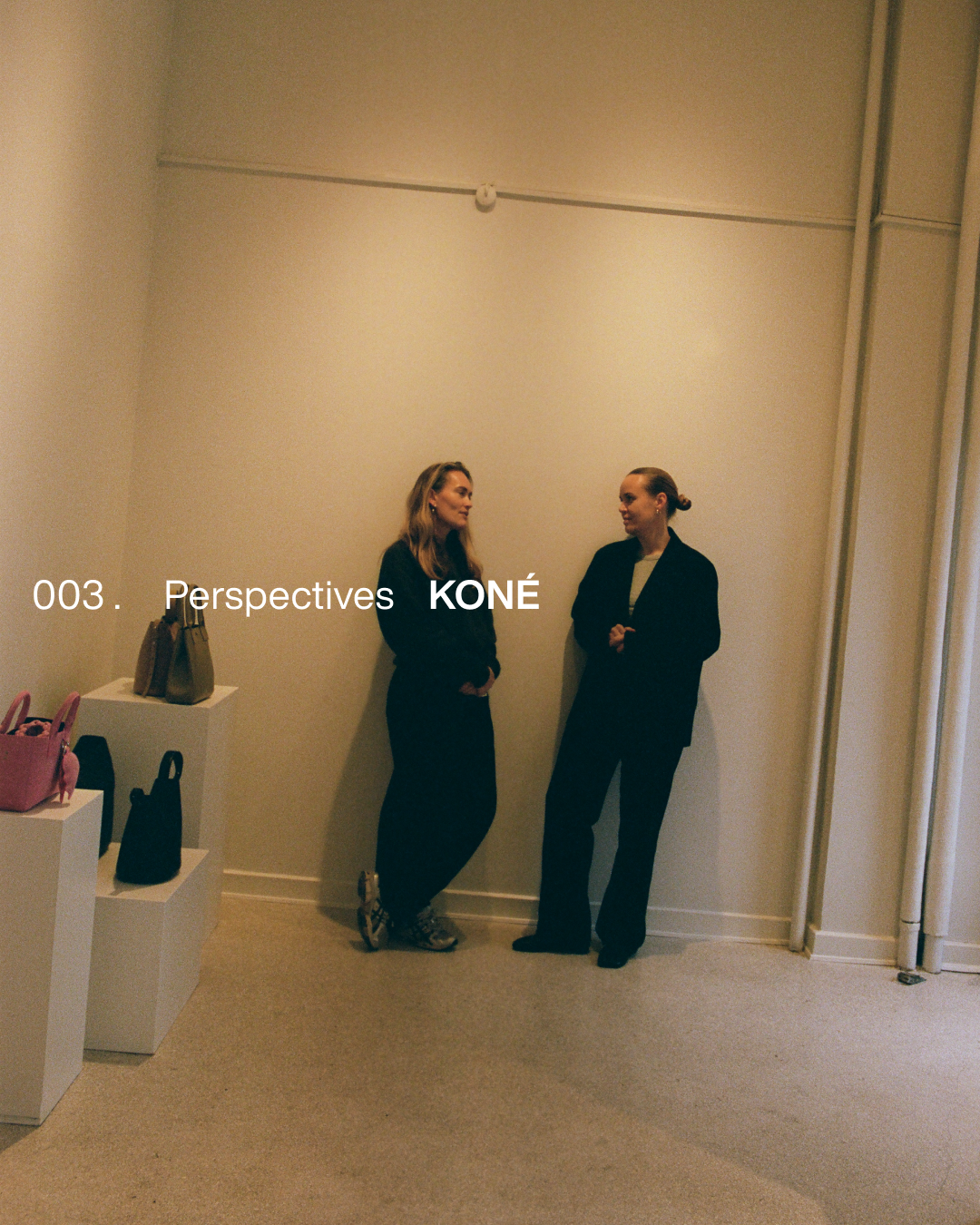
Every brand begins somewhere – in an idea, a need, a gesture. Some grow quickly. Others grow carefully. This is a conversation with Laura Nørgaard, Creative Director, and Louise Kabbelgaard, Head of Brand, about slowing down in an industry built on acceleration and about rebuilding trust in time as a material in itself. At KONÉ, time is the foundation. They speak of time not as something they lack, but as something they choose to protect. Time to listen. Time to understand what they have inherited. Time to let an identity arrive rather than be forced.
Tine: Time - how do you work with time in an industry that constantly claims there is none?
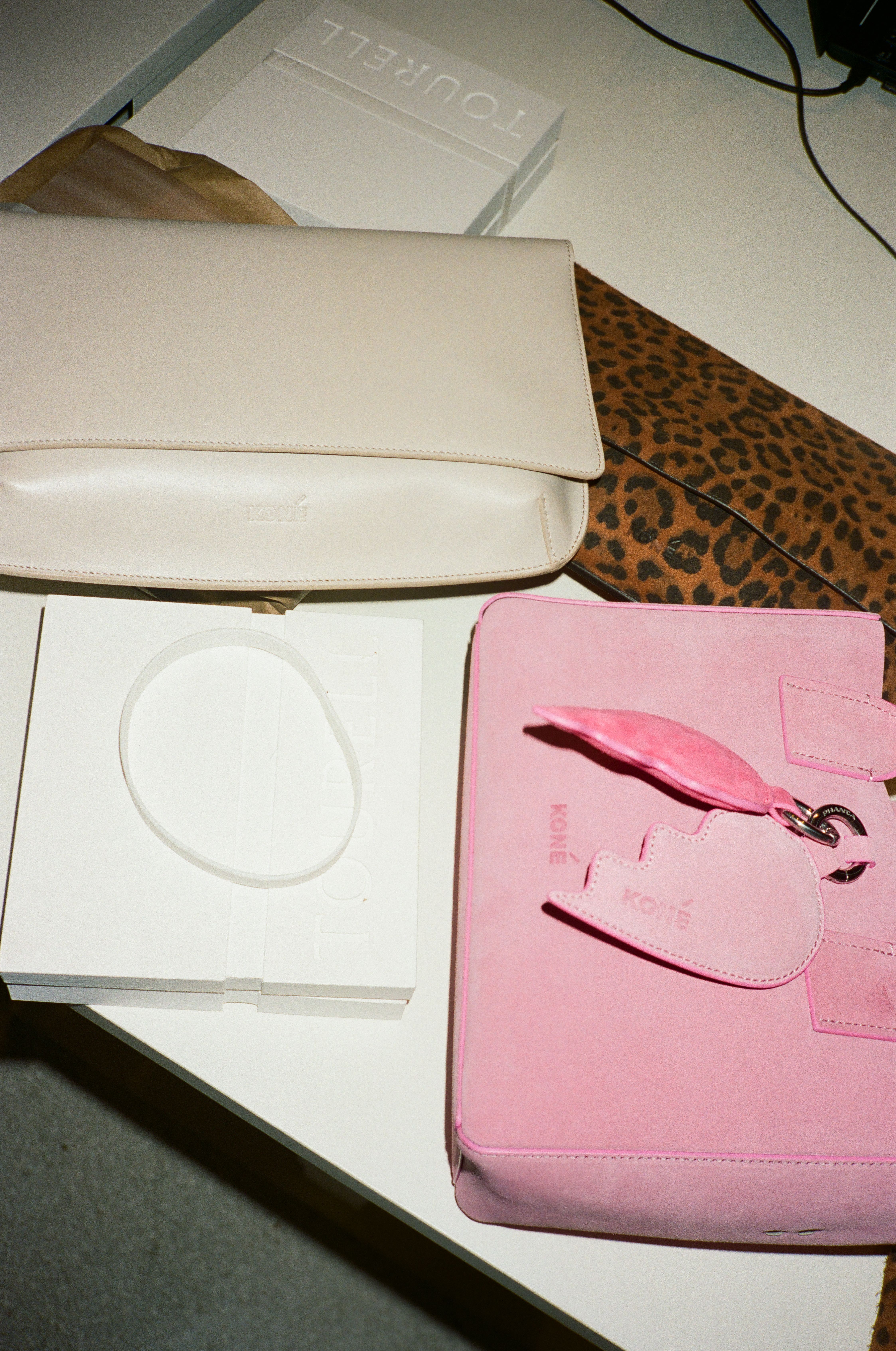
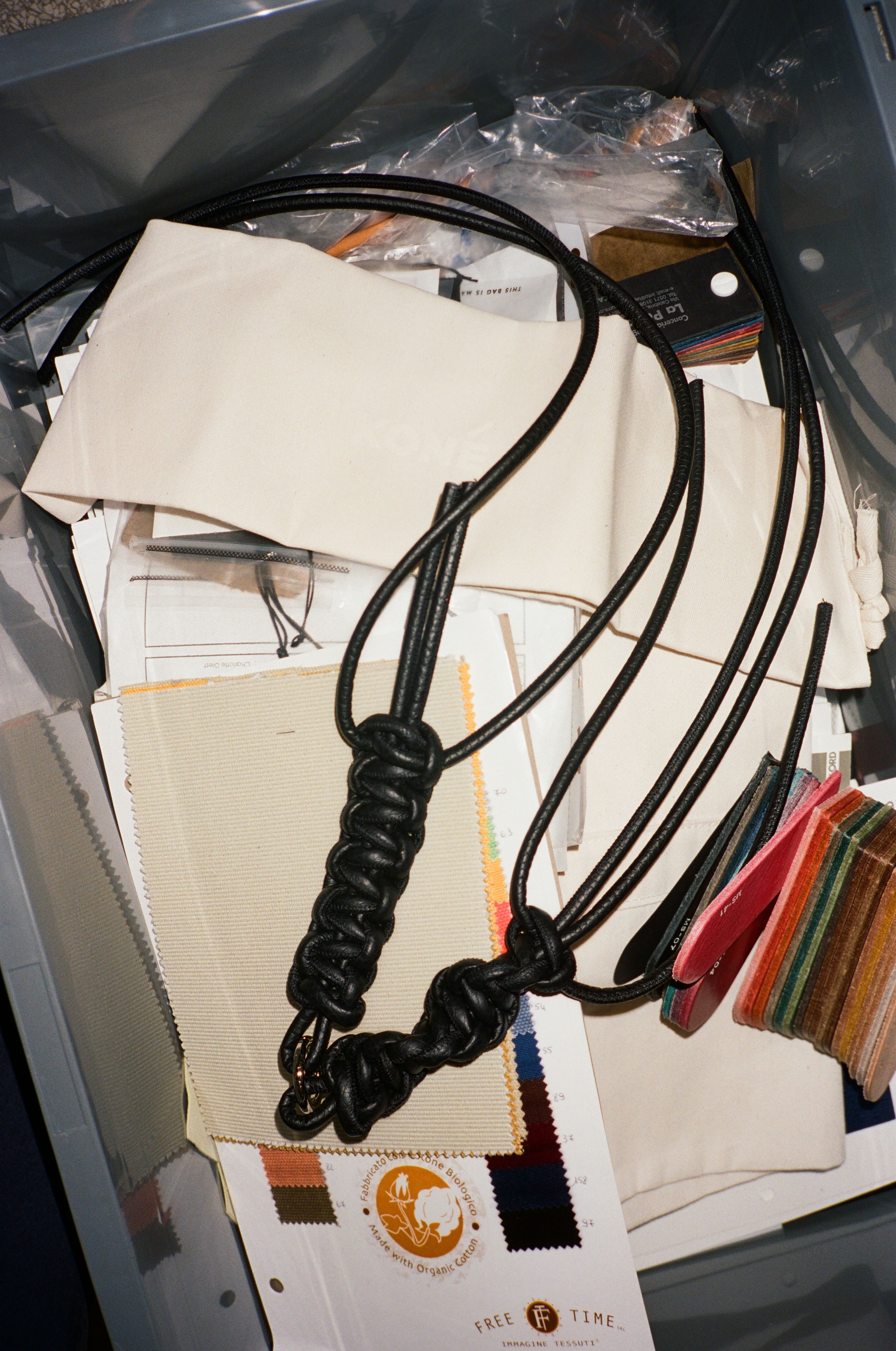
Laura: It’s paradoxical. We talk about time a lot - and we don’t always succeed in practicing it. Right now, we’re in a phase where many things happen at once. There are peaks. We try to work three days a week, which is difficult, but important to us. Sometimes we have to compromise. What we insist on protecting is time for depth; especially time spent with craftsmanship. Some things simply cannot be rushed. Production sets its own tempo. The way the bags are made, by hand, insists on time. We can’t speed it up, even if we wanted to. I started my career in fast fashion, where you’re used to pushing suppliers and compressing timelines. Here, that doesn’t work. Because of the craftsmanship, a luxury product made by human hands. It can feel frustrating - but fundamentally, it’s also deeply right. Acceleration doesn’t belong here.
Tine: But the fashion calendar still exists - sales windows, fashion weeks, deadlines. Can time become an obstacle?
Louise: It depends on how you enter the business. What's your approach. Yes, it can be difficult to hold the frame and slow things down. But we insist on depth; in relationships, in process, and in the people we choose to work with. We do a lot ourselves, which gives us freedom. We still move within a cycle, but we’ve chosen to work with only two collections a year. Not four, not eight. Two. Within that frame, we can go deeper.
Laura: We never start from scratch. We continue working with the same colors and materials. We also choose retailers who understand that foundation. Retailers who don’t push everything into end-of-season sales just because the season changes. That can be difficult for many in the industry to understand. They’re used to products losing relevance quickly. But we see the opposite. Products launched six months ago are still being chosen today. Between 40 and 60 percent of what our retailers reorder is already in stock. It’s not new, and it doesn’t matter. More and more retailers are actually looking for long-term brands. They’re under pressure too. They barely receive products before they appear on sale elsewhere. Prices drop, inventories grow. No one benefits from that. So it’s meaningful to see that there is a market for what we’ve insisted on.
Tine: Was time something you knew would be central before stepping into KONÉ - or did KONÉ teach you that time had to become the foundation?
Laura: We both came from environments where time - or the lack of it - had consequences. Louise and I had both been on sick leave. I reached a point where I would rather live better, than work more and earn more. When I met Louise, she was in the same place. So time quickly became a shared focal point.
Louise: It was personal, but it was also embedded in the product. It felt natural to build a company on that premise. If you work with the right people, with the right competencies and experience, you can achieve a lot without constant speed. That understanding came together quickly, even though everything outside moves fast.
Tine: There must have been expectations around what the new KONÉ would be. Did you feel pressure to redefine the brand quickly?
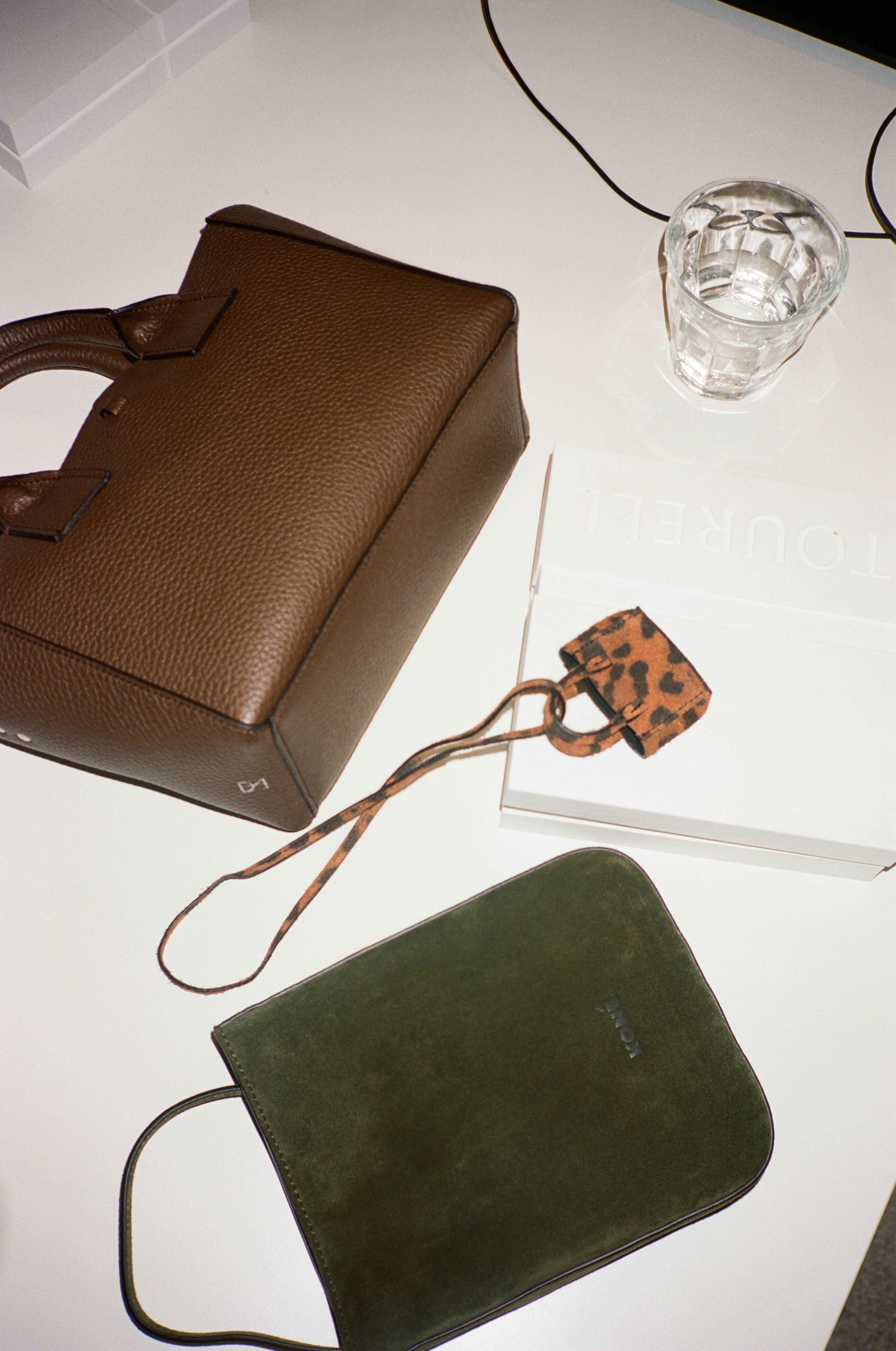
Louise: We chose a soft transition. We didn’t want to clear everything out. There was a deep respect for what already existed and for the customers who had followed the brand. Time deserves respect. A very solid foundation had already been built. If you look at Danish furniture design - those icons took decades to form. If you remove the foundation, what legitimacy remains? We built gently. Especially around the Filippo bag, where we created a family around it. That doesn’t happen overnight. It felt important not to rush, out of respect. Now, we feel we’re arriving at a place where we stand on our own - as KONÉ - with a strong legacy behind us.
Laura: We also never wanted to move production elsewhere just to lower prices. Today, KONÉ is no longer a person-driven brand. The product is the hero. And it was important for us to communicate that - that it’s still Filippo and his family who make the bags, and that this will remain so. We believe luxury is about investing in something you want to live with - today, tomorrow, and years from now.
Tine: Your partnerships and events also seem shaped by time - intimate gatherings, few people, real conversations.
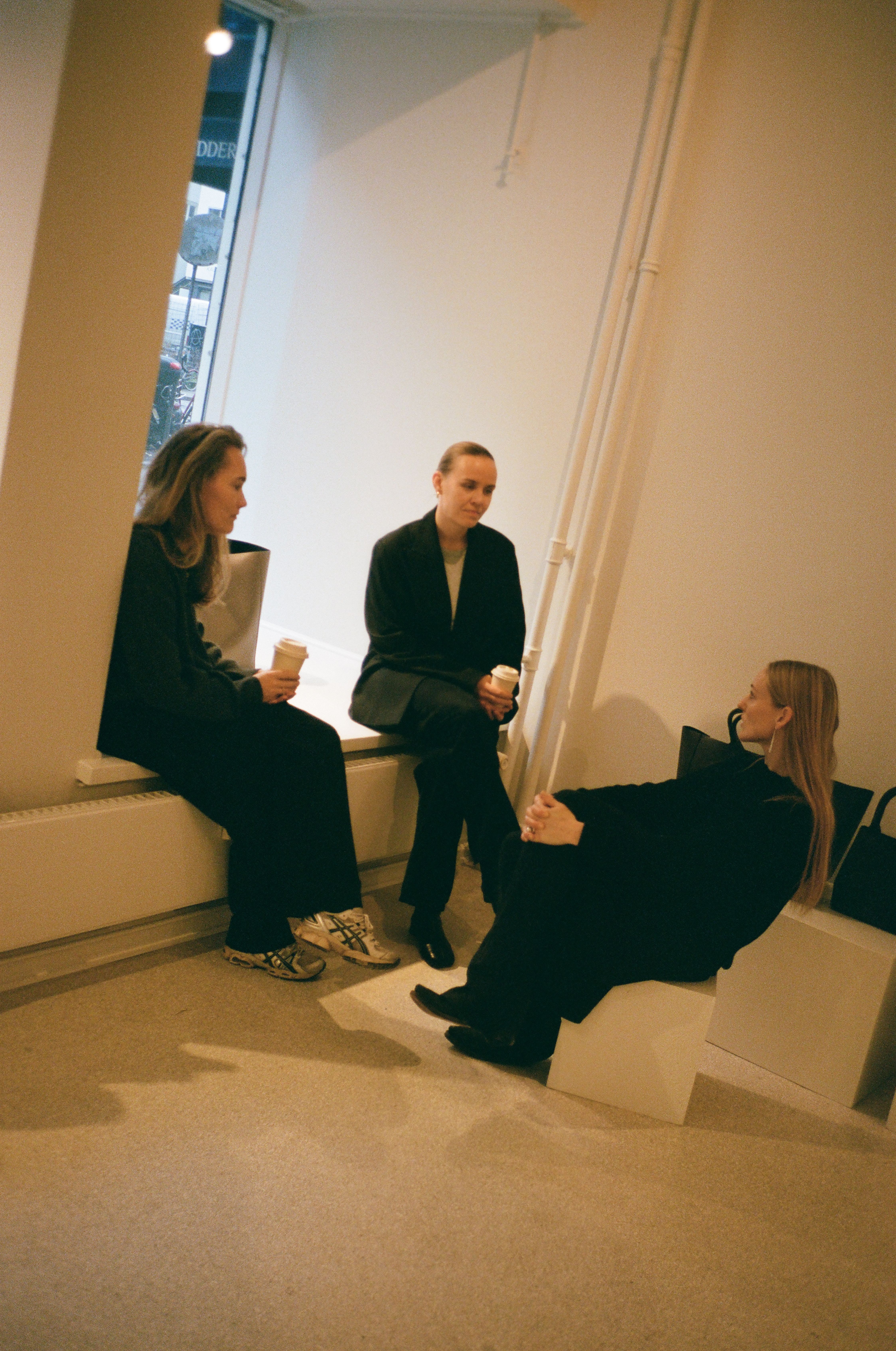
Louise: It’s about depth. Nothing should be rushed. Nothing should disappear immediately after. There’s respect for time, but especially for people. We want to work with people who reflect our values. People we can have meaningful conversations with. We believe in creating small ripples, not waves. We’re not in a hurry.
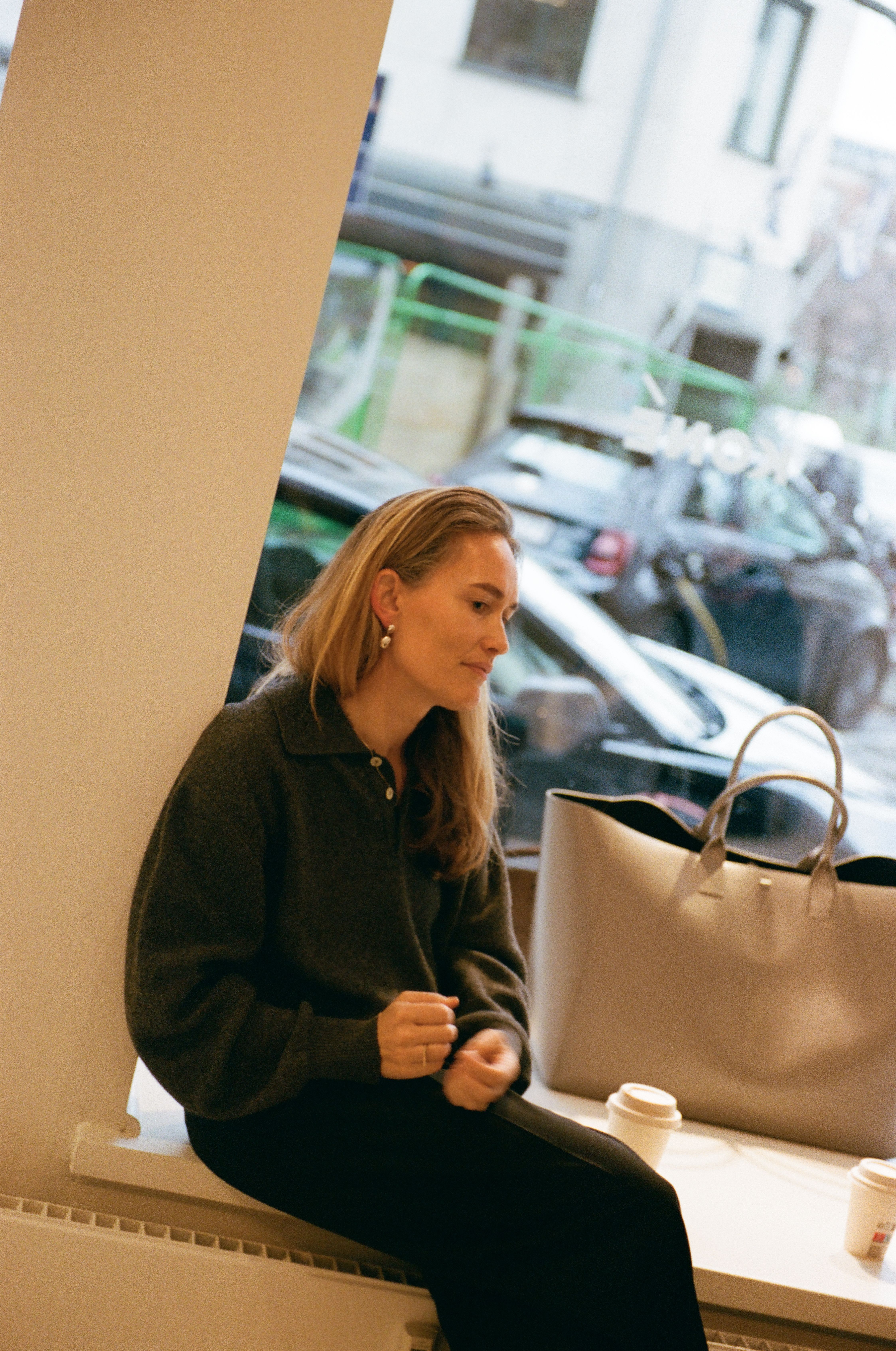
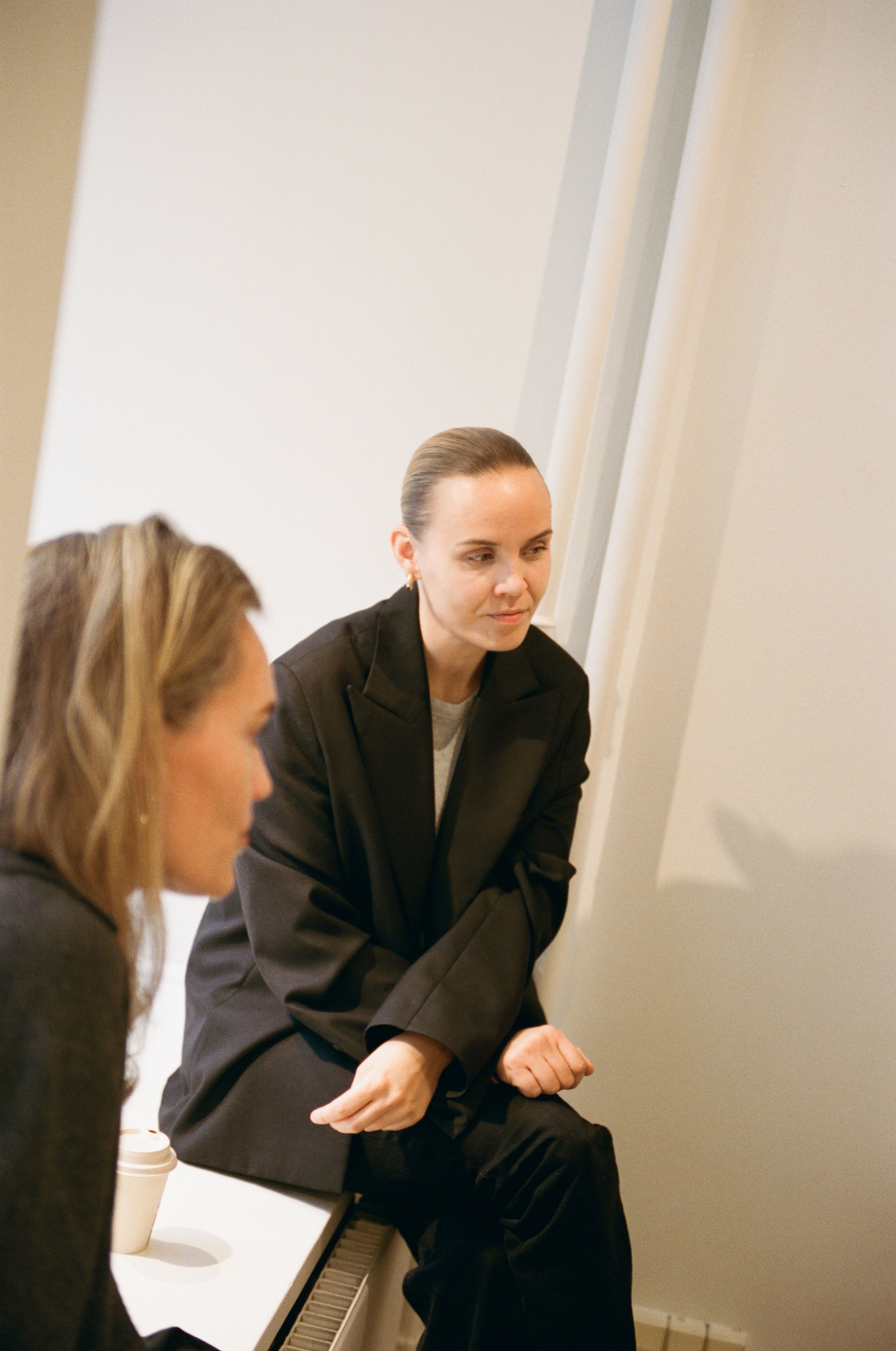
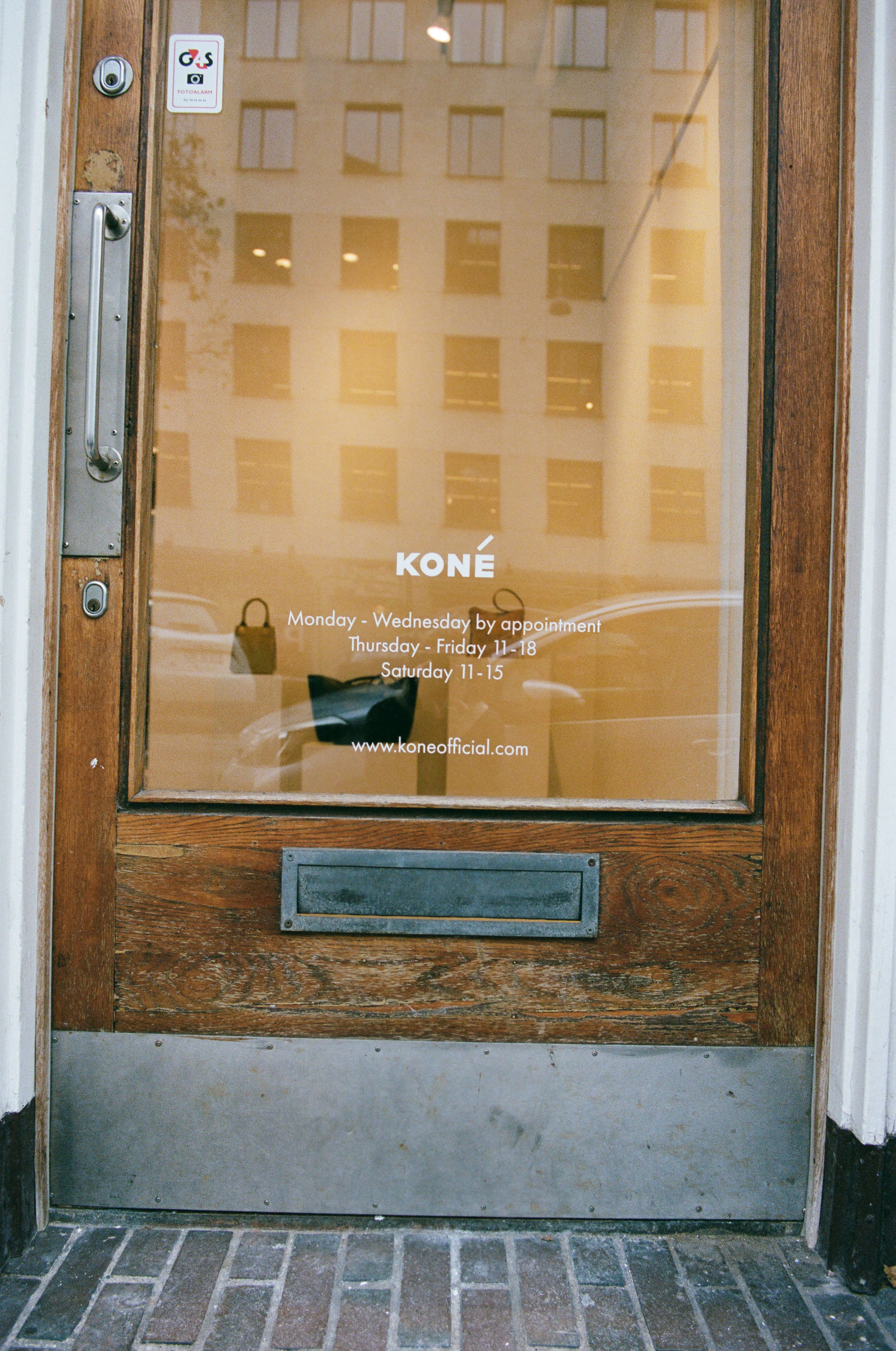
Time has become a form of luxury. Not something to display, but something to share. At KONÉ, it appears quietly. In products that don’t lose relevance with the season. In relationships built slowly. In decisions that try to resist urgency - even when reality doesn’t always allow it.
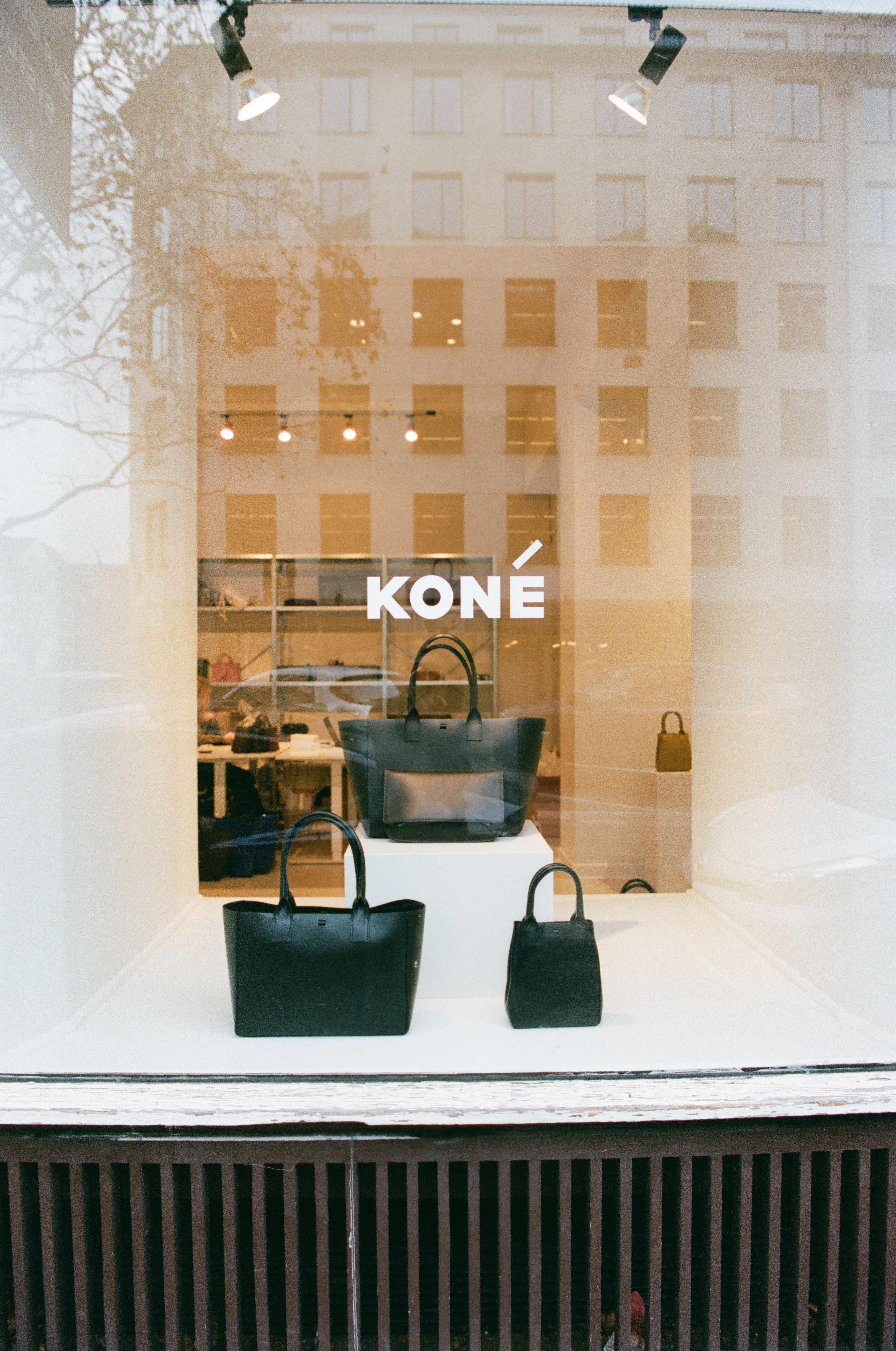
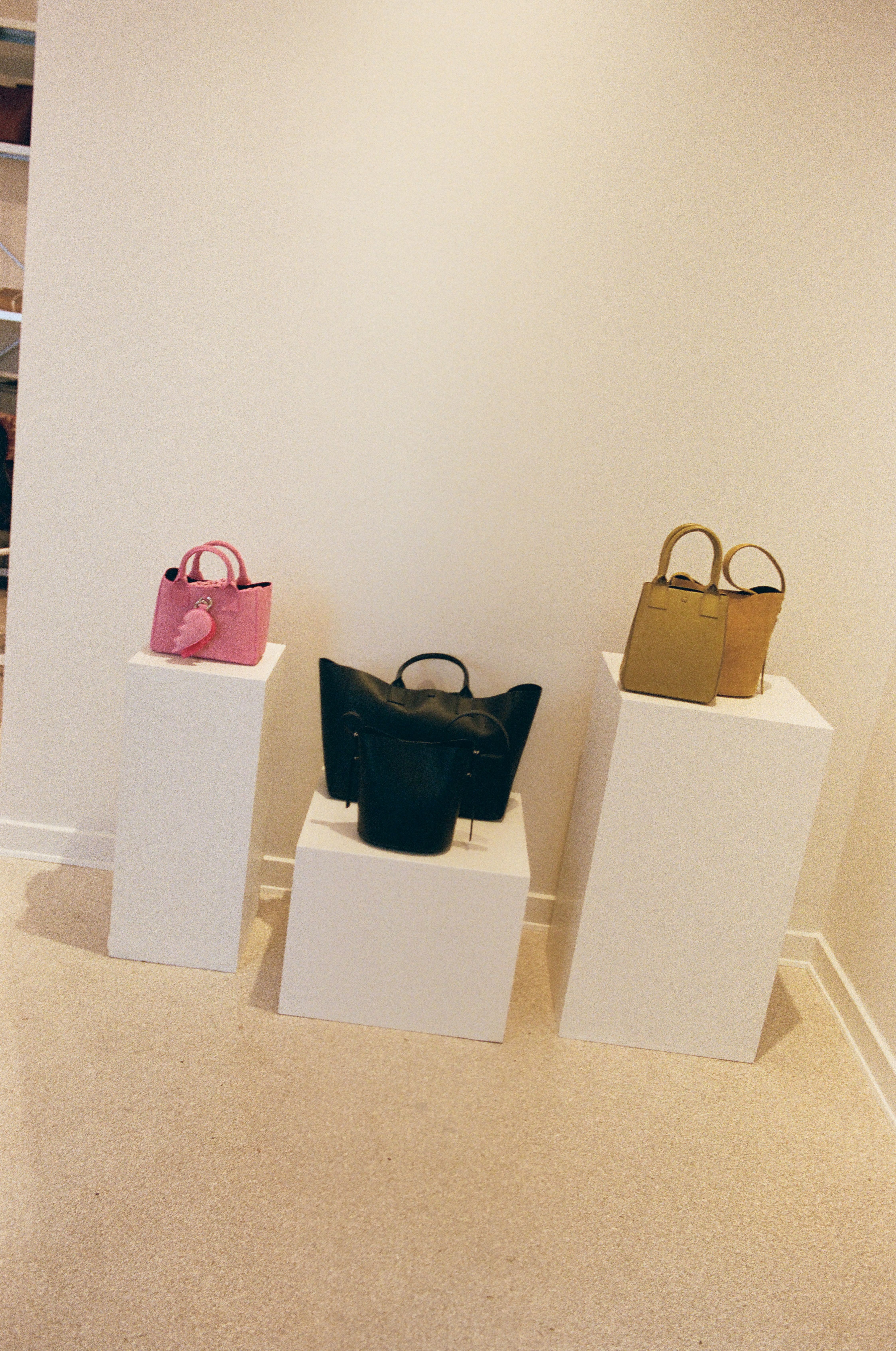
And now, in a small store on Borgergade, where time takes a more physical form. For Laura and Louise, opening the space was never about scale, but about closeness. About meeting the people who carry the bags. Hearing their stories. Helping them care for something meant to last. They speak of it not as a store, but as a small house. A place you enter not only to buy something - but to stay for a moment.
In an industry built on speed, they are not immune to pressure or pace. But they continue to choose something else - again and again. To work toward time as material. As value. As a quiet foundation they are still building.
It has made me think differently about time - not as something to fill, but as something to protect.
/ Tine